
Reliable information on lymphoedema
What is
Lymphoedema?
Causes, stages
and conservative
therapy
Lymphoedema is a chronic disease of the lymphatic system affecting 250 million people worldwide. Understanding the condition is the first step towards effective management.
THE CONDITION
What is lymphoedema and how does it affect daily life?
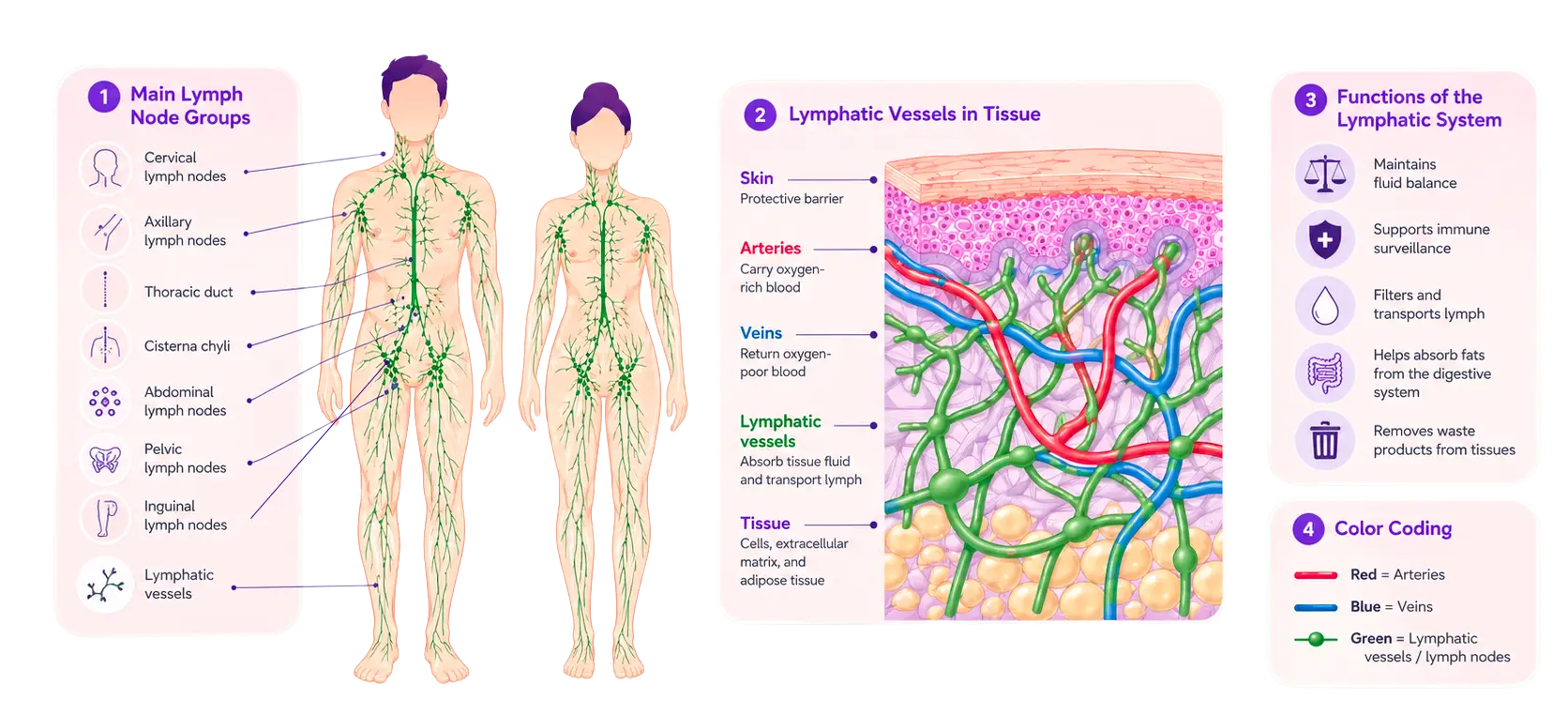
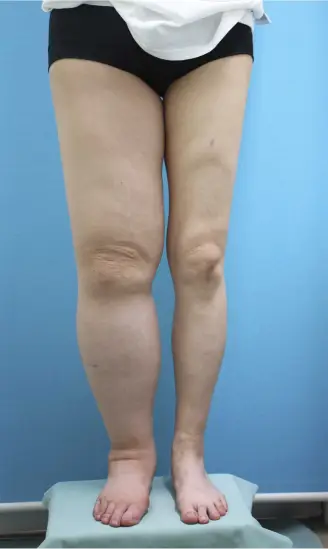
What is lymphoedema? It is a chronic condition caused by damage to the lymphatic system — a network of vessels and lymph nodes that collects fluid from the tissues and returns it to the bloodstream. Furthermore, when this network is damaged or forms incompletely, fluid accumulates in the tissues, causing chronic swelling. Swelling mainly affects the arms or legs, but can also affect the neck, chest, face or genitals. Moreover, without proper management, the condition progresses over time.. Read our article –> to find out whether lymphoedema will get worse.
Primary Lymphoedema
Arises from genetic or congenital causes — present at birth or manifesting during puberty or adulthood. It is rarer, representing about 10% of cases, and is often diagnosed late.
Secondary Lymphoedema
The most common form, caused by external damage to the lymphatic vessels. Main causes: oncological surgery (e.g. mastectomy with lymph node removal), radiotherapy, parasitic infections (filariasis), trauma or severe obesity.
Support Ynone Project
PROGRESSION
THE 4 STAGES OF LYMPHOEDEMA
Lymphoedema progresses through four stages. Early diagnosis and consistent conservative therapy can slow or stabilise progression.
0 Stage
Latent Lymphedema
A subclinical phase in which the lymphatic system is damaged but does not yet show visible swelling. There may be a sensation of heaviness.
1 Stage
Reversible
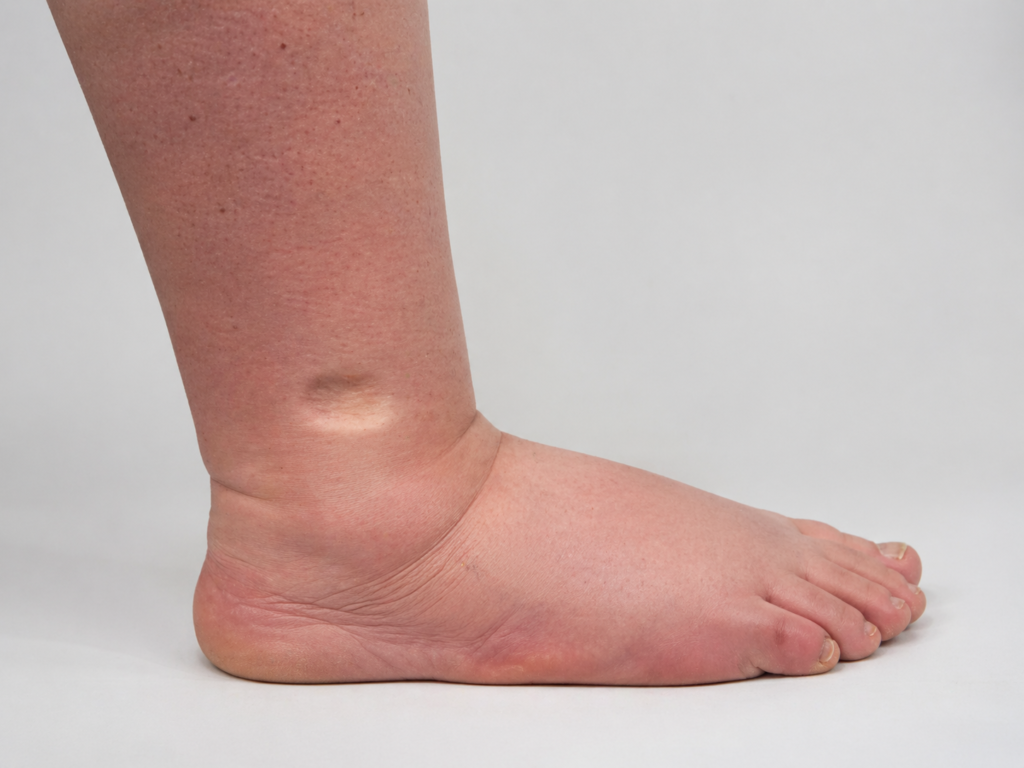
The edema is soft, increases during the day, and disappears or is significantly reduced with rest or by elevating the limb. Pressure causes a “fovea” to form (fovea sign).
2 Stage
Irreversible
The edema persists even at rest, and the skin begins to show signs of fibrosis (hardening) due to chronic inflammation. The fovea may no longer be present.
3 Stage
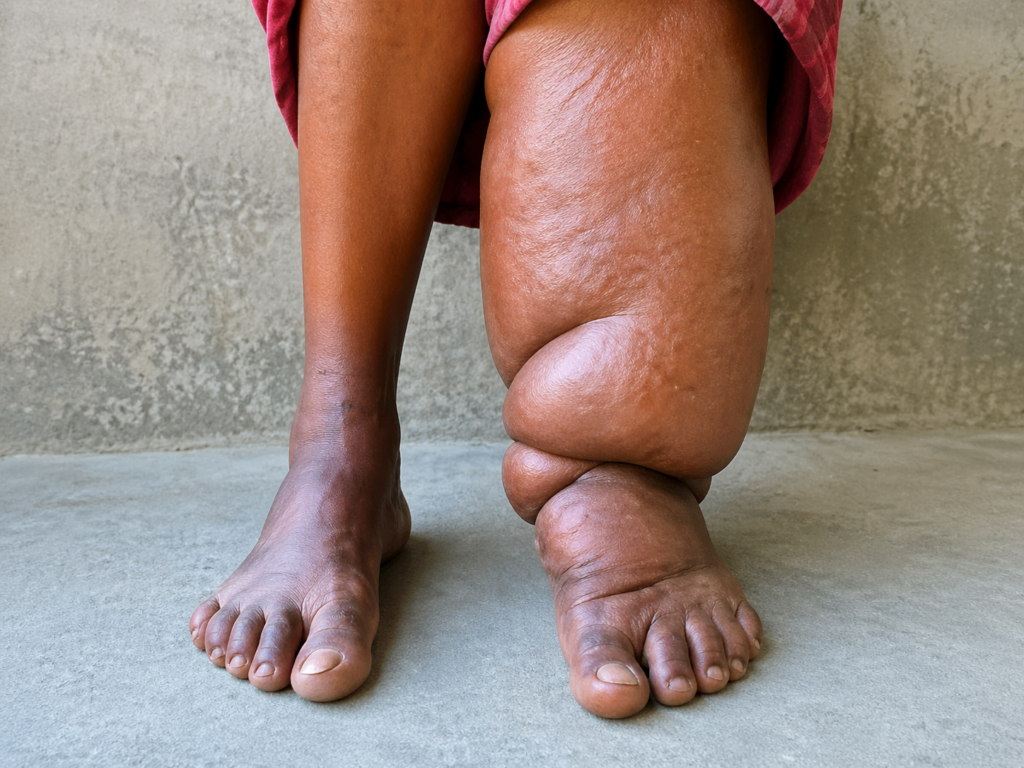
Elephantiasis
Advanced and severe stage. The swelling is massive and hard, with marked fibrosis, skin changes (papillomatosis), and increased limb volume.

What the ‘Fovea’
Sign means
The pitting test is a clinical procedure used to diagnose the presence of edema (fluid accumulation). It involves applying pressure with a finger to the skin for a few seconds: if, after removing the finger, a dimple or indentation remains visible for up to 20 or even 30 seconds, the test is considered positive for lymphedema and is therefore used in diagnosis.
Community
You don't have to face lymphoedema alone
A support group for children, families and adults.
Part of Lymphselbsthilfe e.V. — over 500 active members
across Germany. If your child has been diagnosed with primary
lymphoedema, read our dedicated guide for parents, read our article: Primary lymphoedema in children →


YOUR OPINION MATTERS
Take part in our research
We are collecting feedback from lymphoedema patients, caregivers and clinicians to improve Ynone and better understand real needs. It only takes 3 minutes. Your data remains anonymous.