Understanding Lymphoedema
📅 August 2026 | 🕐 5 min read | ✍️ Ynone Team
Will Lymphoedema Always Get Worse?
Will lymphoedema get worse over time?
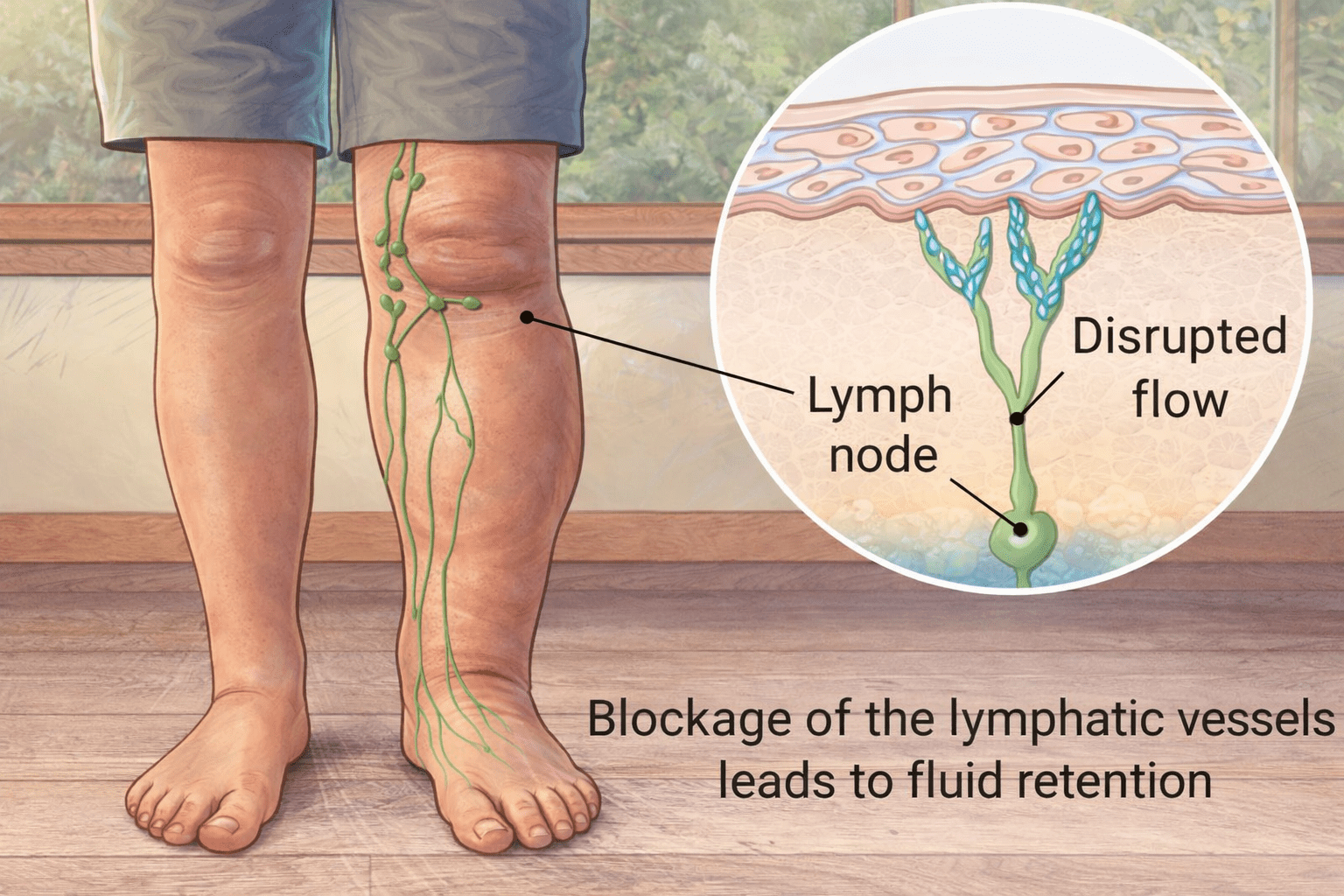
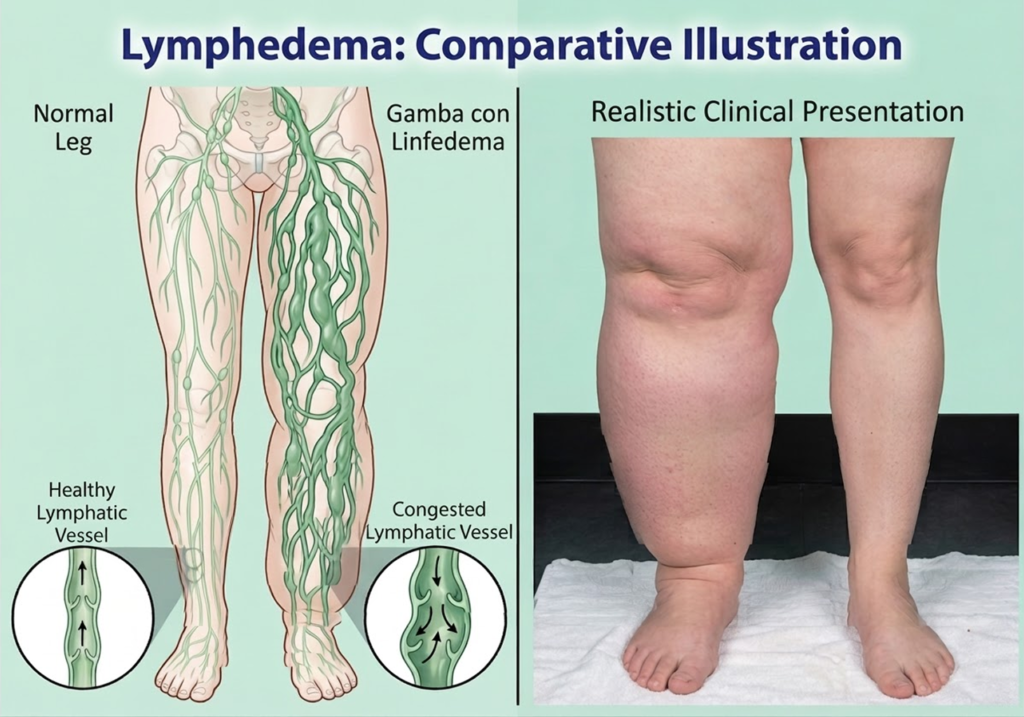
Will lymphoedema get worse? It is one of the first questions people ask after a diagnosis — and the honest answer is: not necessarily. Lymphoedema is a chronic condition, and the underlying problem does not go away. However, whether lymphoedema will get worse depends largely on how consistently it is managed every day.
The lymphatic system has a degree of adaptability. With the right support, it can compensate over time. Furthermore, consistent management reduces the load on the system, keeps the tissue in better condition, and slows or prevents the changes — fibrosis, hardening, skin thickening — that drive progression from one stage to the next.
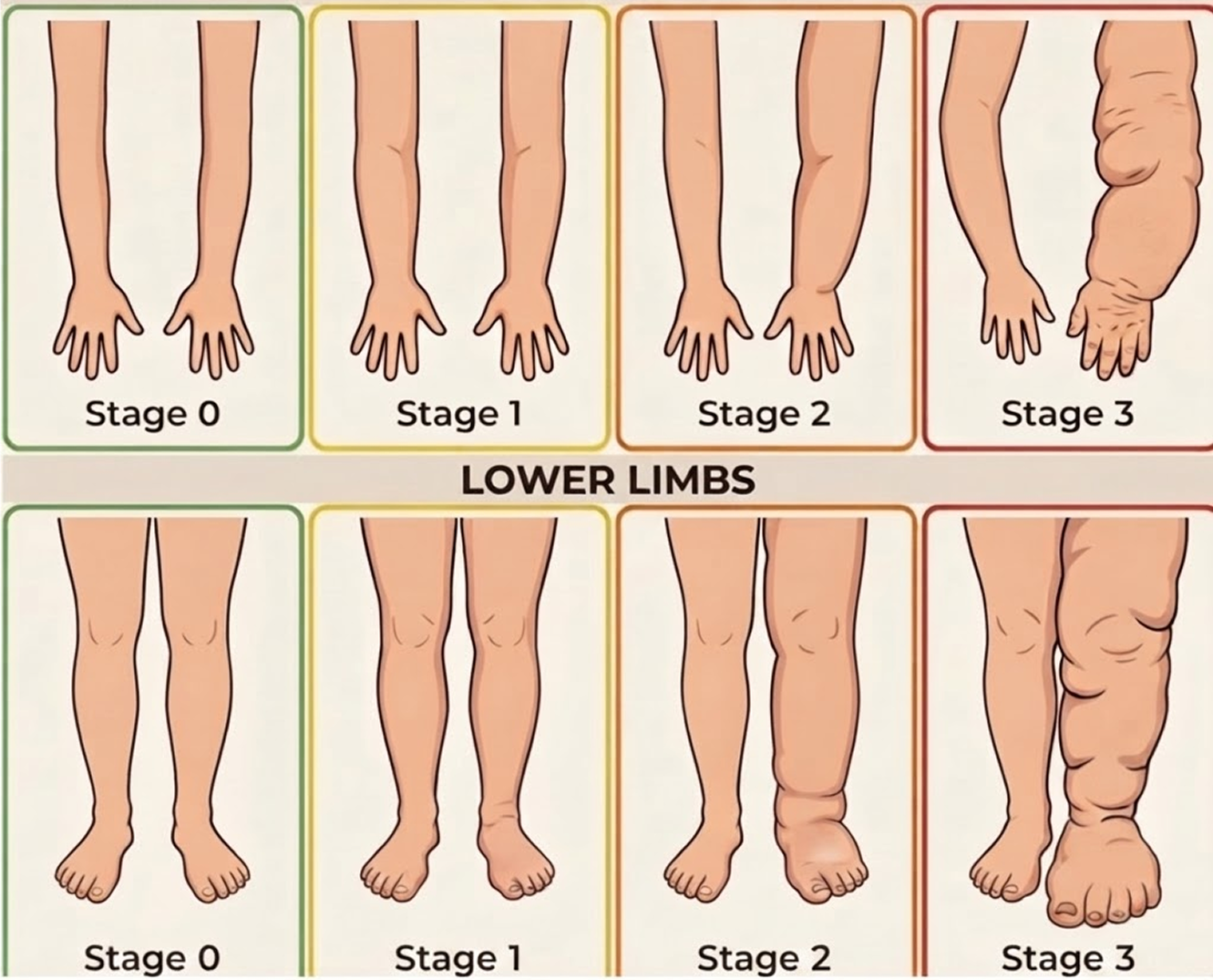
What the evidence consistently shows is this: patients who maintain a structured daily management routine have significantly better long-term outcomes than those who do not. Progress may be slow and sometimes invisible — but it is real. You can read more about the stages of lymphoedema on our What is Lymphoedema page.
Why daily routine determines whether lymphoedema gets worse
Understanding that lymphoedema does not have to get worse is one of the most empowering things a patient can know. It shifts the question from "will lymphoedema get worse no matter what?" to "what can I do every day to protect myself?" — and that is a question with clear, evidence-based answers.
What causes lymphoedema to get worse
Lymphoedema tends to worsen when the system is repeatedly overwhelmed or when tissue damage accumulates over time. The main factors that cause lymphoedema to get worse include:
Inconsistent management
The most significant driver of worsening is irregular daily management — skipping compression, infrequent drainage, neglecting skin care. Each period of unmanaged swelling allows more protein-rich fluid to accumulate in the tissue, which gradually stimulates fibrosis. Consequently, even occasional gaps in routine can have a compounding effect over months and years.
Repeated infections
Erysipelas — the bacterial skin infection that people with lymphoedema are particularly susceptible to — causes direct damage to lymphatic vessels each time it occurs. Moreover, repeated infections accelerate the deterioration of the lymphatic system and increase the risk of lymphoedema getting worse. Consistent skin care and prompt treatment of any infection are among the most protective things you can do. If you notice warning signs of infection, contact your doctor immediately — do not wait.
Significant weight gain
Increased body weight places additional load on an already compromised lymphatic system. It does not cause lymphoedema, but it can make lymphoedema get worse and make daily management considerably more difficult over time.
Prolonged inactivity
Movement is one of the primary drivers of lymph flow. Extended periods of immobility — after surgery, during illness, or through lifestyle — significantly reduce lymphatic drainage and allow fluid to accumulate. Therefore, appropriate physical activity is part of the management, not something to avoid.
Heat and inflammation
Repeated or prolonged exposure to heat, inflammation or injury in the affected limb increases fluid volume faster than the compromised system can drain it. As a result, extra care during hot weather or after physical strain is an important part of preventing lymphoedema from getting worse.
What stops lymphoedema from getting worse
The same factors that cause lymphoedema to get worse, in reverse, are what protect against it. Daily management is not just about controlling symptoms today — it is about protecting your lymphatic tissue for the years ahead.
Consistent compression
Wearing your compression garment during all waking hours keeps fluid from accumulating between drainage sessions. It is the single most protective daily habit. Importantly, the garment must be correctly fitted and renewed regularly — typically every three to six months — as it loses effectiveness over time. Ynone can help you track when your garment is due for renewal.
Regular drainage
Manual lymphatic drainage — whether with a therapist or through self-drainage techniques — actively supports the lymphatic system in moving fluid out of the tissue. Regular drainage reduces the protein load in the tissue and slows fibrotic change. Between professional sessions, self-drainage practiced consistently makes a measurable difference.
Daily skin care
Keeping the skin intact, well-moisturised and free from breaks prevents the infections that cause direct lymphatic damage. This is a simple but genuinely protective habit that is easy to underestimate — until an infection occurs and lymphoedema gets worse as a result.
Appropriate movement
Regular, appropriate physical activity — walking, swimming, cycling — keeps the muscle pump active and supports lymph flow. Exercise is most effective when performed with compression in place. Furthermore, it benefits overall health in ways that support long-term management capacity.
Early attention to changes
Noticing and responding to changes early — increased swelling, new symptoms, skin changes — before they become established is significantly more effective than trying to reverse changes that have already set in. Tracking your measurements regularly gives you the information you need to act early. This is precisely what Ynone is designed to support.
Prompt treatment of infections
If you develop erysipelas, seek medical treatment immediately. Do not wait to see if it resolves on its own. Every episode of untreated infection causes damage — and that damage makes lymphoedema progressively worse over time.
What to expect — will lymphoedema get worse with consistent management?
For most people with lymphoedema who maintain a consistent daily routine, the realistic picture looks something like this.
Controlled, not eliminated
Swelling is controlled rather than eliminated. There will be days when the limb feels heavier, and days when it feels more comfortable. Heat, long days on your feet, travel and hormonal fluctuations will all have their effect. However, a good management routine keeps these fluctuations within a manageable range and prevents the steady accumulation of tissue changes over time.
Stability is a realistic goal
Many patients maintain stable measurements for years — sometimes decades — without significant progression. This is not a guarantee, and individual outcomes vary. But it is a realistic and achievable goal for most people who are diagnosed reasonably early and who commit to their routine. Lymphoedema does not have to get worse — for most patients, stability is achievable.
The challenge of long-term consistency
The patients who tend to struggle most are those who — for whatever reason — are unable to keep their management consistent over the long term. This is worth acknowledging honestly: the daily routine of lymphoedema management is genuinely hard to sustain. It takes support, structure and understanding from the people around you. Our LYlife community exists precisely to offer that kind of understanding.
Will lymphoedema get worse if you stop managing it?
This is a question many patients are afraid to ask — but it is a reasonable and important one.
If daily management stops entirely, lymphoedema will typically get worse over time. Without compression, fluid accumulates more freely. Without drainage, protein-rich fluid sits in the tissue longer. Without skin care, the risk of infection rises. Without movement, lymph flow slows further.
The rate varies — but the direction does not
The rate at which lymphoedema gets worse varies between individuals and depends on the stage of the condition, the degree of lymphatic damage, and other individual factors. However, the general direction, without management, is progressive.
This is not meant to create fear — it is meant to explain why the daily routine matters. A routine that fits your life, that you can actually maintain over the long term, is more valuable than a theoretically perfect one that you abandon after six weeks.
A realistic and honest picture
Will lymphoedema get worse? Not inevitably — but it will not manage itself either.
The honest picture is this: consistent, appropriate daily management makes a significant and measurable difference to long-term outcomes. The condition can be stabilised. Moreover, many people with lymphoedema live full, active lives without significant deterioration over many years.
What it requires is commitment to the routine — not perfect adherence every single day, but sustained effort over time, with support and structure to help when motivation is low or life gets in the way. You can learn more about daily management on our What is Lymphoedema page, and about the mission behind Ynone on our Our Mission page.
Staying consistent between appointments
One of the practical challenges of lymphoedema management is that most of it happens alone — between clinical visits, without daily professional oversight. Having structure for that space makes a real difference in whether lymphoedema gets worse or stays stable.
Ynone helps you track your daily routine, log your measurements over time, and see your own patterns — so you can notice changes early, stay consistent, and arrive at your next appointment with a clear picture of how things have been.
- Track daily therapy activities — compression, drainage, exercise, skin care
- Record limb measurements and visualise changes over time
- Set reminders for compression garment renewals
- Prepare structured data to share with your care team
Ynone is an educational and self-management support tool. It does not diagnose lymphoedema and does not replace your healthcare team.
→ Join the Beta waitlist at ynone.eu — it's free
Interested in Ynone for your clinic or practice? Visit our partnership page.
Key takeaways
- Will lymphoedema get worse? Not inevitably — consistent management makes a significant difference.
- The main drivers of progression are inconsistent management, repeated infections, weight gain, inactivity and heat.
- The most protective daily habits are consistent compression, regular drainage, daily skin care and appropriate movement.
- Many patients maintain stable measurements for years with a sustained daily routine.
- If management stops, lymphoedema will typically get worse — the rate varies, but the direction does not.
- Structure, support and early attention to changes are the practical foundations of long-term stability.
Sources and clinical references
This article was written using current clinical guidelines and peer-reviewed sources, including:
- International Society of Lymphology (ISL) — Consensus Document on the Diagnosis and Treatment of Peripheral Lymphedema, 2020
- International Lymphoedema Framework (ILF) — Best Practice Documents
- British Lymphology Society (BLS) — Lymphoedema Clinical Definitions and Assessment Guide (5S), September 2025
- Földiklinik / Földi College — CDT clinical principles and training documentation
- Kitaw et al. — Lower limb lymphoedema and mental depression: systematic review and meta-analysis, Global Epidemiology, 2025
This article is reviewed periodically to ensure accuracy. It is intended for educational purposes only. Always consult a qualified healthcare professional for advice about your individual situation.
This article was produced with the support of AI-assisted research and writing tools, and reviewed for clinical accuracy by Dr. Oberlin, specialist in lymphology at the Földiklinik (Germany) and lead author of the 2026 international lymphoedema clinical guidelines. The final content reflects current evidence-based practice and has been approved for publication by the Ynone clinical advisory team.
Try Ynone for free
Join the App Waiting List
Be among the first to try Ynone and help shape a digital self-management tool built for people living with lymphoedema. No commitment — just early access.
Join the waiting list